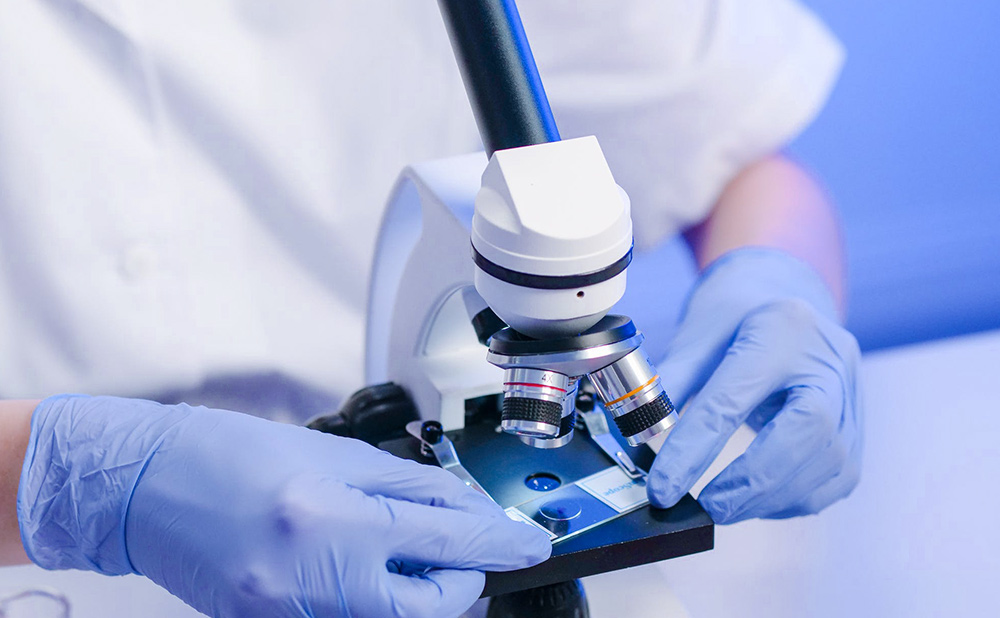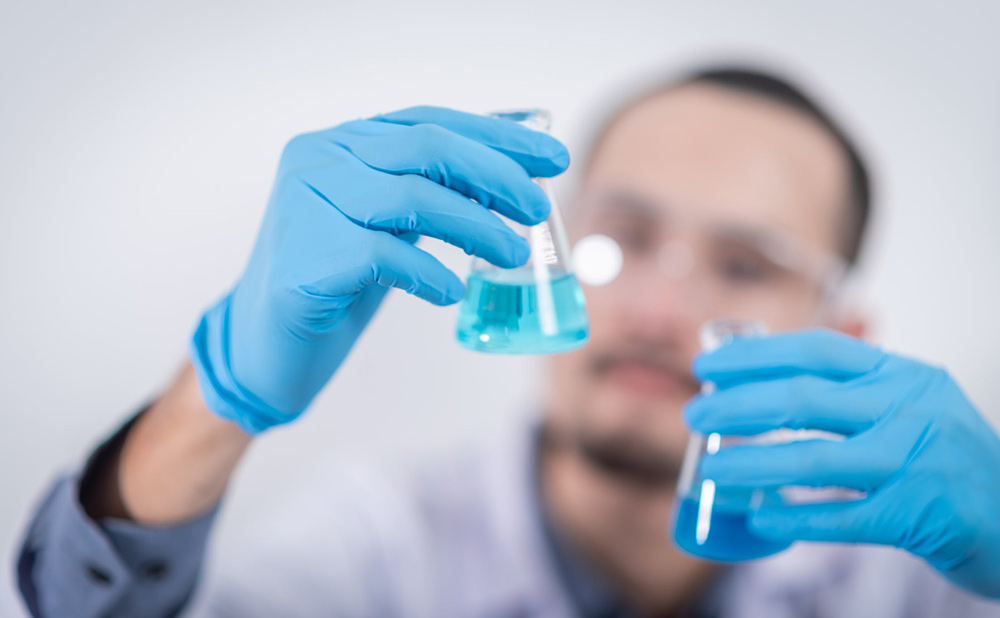


A new study suggests that appendectomy can reduce risk
Researchers have found that their appendix tissue has protein clusters similar to those observed in the brains of Parkinson's disease patients. This discovery suggests that the appendix plays a role in the early stages of this disease by aggregating these same proteins. These proteins contribute to Parkinson's disease in some way, so appendectomy may prevent their harmful activity. Researchers have found that their appendix tissue has protein clusters similar to those observed in the brains of Parkinson's disease patients. This discovery suggests that the appendix plays a role in the early stages of this disease by aggregating these same proteins. These proteins contribute to Parkinson's disease in some way, so appendectomy may prevent their harmful activity.


Recommended Posts
-
 Cancer cells are very "cunning", they will use immune checkpoints to conceal their "bad person identity" - the proteins expressed on the surface of tumor cells will bind to the proteins on the surface of T cells, sending a signal to the immune system to "own people, don't kill me", thus avoiding the detection and attack of immune cells.Based on this principle, scientists have developed antibodies that block binding, namely immune checkpoint inhibitors, to achieve anti-cancer goals by releasing T cells. So far, the FDA has approved six immune checkpoint inhibitors targeting pathways, suitable for various cancers such as melanoma, non-small cell lung cancer, and renal cell carcinoma.
 -
Big data, the Internet and artificial intelligence are promoting the digitization process of the medical system. The new intelligent and platform based applications will further enhance the quality of medical care and provide personalized solutions for disease prevention.Scientists, doctors, and engineers have invested considerable time in developing new digital applications. The goal of these tasks is not only to detect diseases in the early stages, but also to achieve disease prevention. Dr. Enise Lauterbach, a cardiologist from Trier, Germany, said, "The diagnosis and treatment of cardiovascular diseases are already very advanced in technology and have saved many lives. If diseases can be prevented, the effect will be even better
-
Under the trend of domestic substitution in the medical device industry, the drive to explore overseas markets is also increasing. Going global is the key for the medical device industry to seek new growth curves and enhance international competitiveness.Moreover, China is implementing a more proactive opening-up strategy. Jointly building the "the Belt and Road" has become a popular international public product and international cooperation platform to achieve higher quality and deeper mutual benefit and win-win results with countries along the line.